In the desolate landscape of war-torn Palestine, amidst the ruins of homes and the echoes of conflict, food and water emerge as the most fundamental and urgent necessities for the survival of the Palestinian people. The ongoing hostilities have not only shattered the social fabric but also disrupted the essential supply chains of these life-sustaining resources, plunging communities into a precarious battle for sustenance.
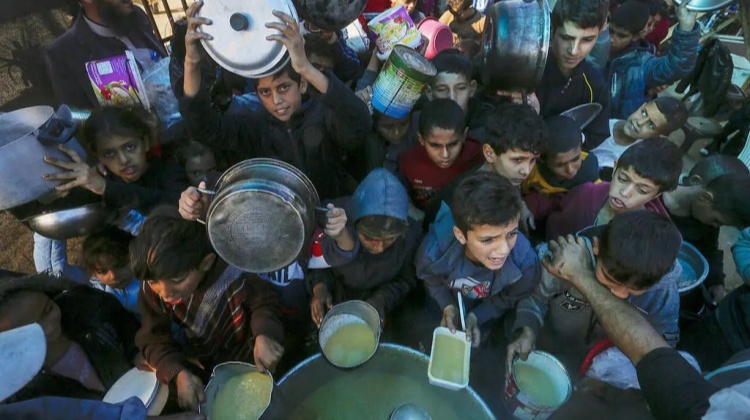
The destruction wrought by war has severely damaged agricultural infrastructure, including farms, irrigation systems, and storage facilities. As a result, local food production has plummeted, leaving Palestinians with limited access to fresh, nutritious produce. The disruption of transportation networks due to checkpoints, roadblocks, and violence further exacerbates the problem, making it extremely difficult to distribute available food supplies to those in need. Many families are forced to rely on scarce and irregular food aid, often facing long queues and uncertain availability. Malnutrition rates are soaring, especially among children, whose developing bodies and minds require a consistent intake of nutrients to thrive. Without proper nutrition, they are at risk of stunted growth, weakened immune systems, and cognitive impairments, which will have long - term consequences for their future.
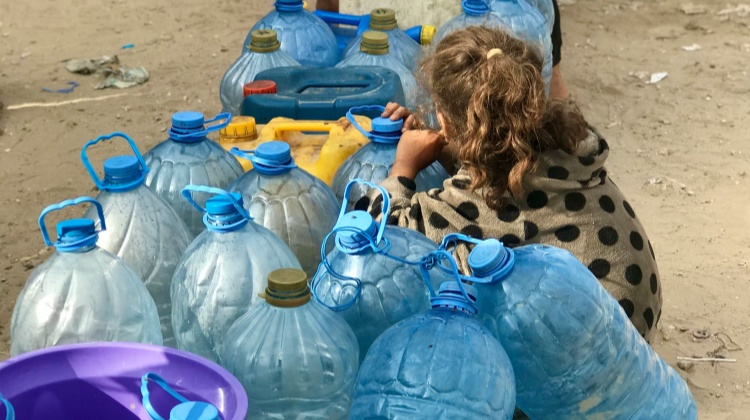
Water, too, has become a scarce and precious commodity. Water sources such as wells, pipelines, and treatment plants have been damaged or destroyed during the conflict. In addition, the Israeli - controlled water resources management policies in the occupied territories have led to a significant disparity in water access. Palestinians often receive only a fraction of the water that Israelis consume, far below the World Health Organization's recommended minimum for basic human needs. Clean drinking water is crucial for preventing water - borne diseases such as cholera, typhoid, and diarrhea, which can spread rapidly in overcrowded and unsanitary living conditions. The lack of sufficient water also impacts hygiene practices, further increasing the risk of infections. For pregnant women, access to clean water is vital for maintaining their own health and ensuring a healthy pregnancy. For the elderly and those with pre - existing medical conditions, dehydration caused by water scarcity can quickly lead to serious health complications.
The struggle for food and water not only takes a physical toll but also has a profound psychological impact on the Palestinian population. The constant worry about where the next meal will come from or whether there will be enough water to drink adds to the already overwhelming stress and anxiety caused by the war. It undermines the sense of security and stability, leaving people in a state of constant fear and uncertainty.
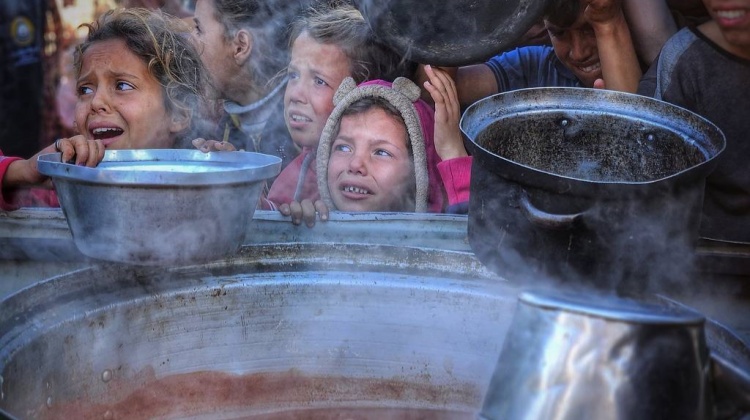
In conclusion, food and water are the very essence of life for the Palestinian people living in the shadow of war. Ensuring their consistent and adequate supply is not just a matter of meeting basic needs but a fundamental human right. The international community must step up its efforts to provide immediate humanitarian aid, advocate for the protection of vital food and water infrastructure, and work towards a peaceful resolution of the conflict. Only by doing so can the Palestinian people hope to regain control over their most basic requirements for survival and begin the long journey towards rebuilding their lives.
About Me
ForPalestinePeople
GAZA STRIP HEALTH DEPARTMENT
Death data from the Israeli Palestinian conflict
From October 7th, 2023 to March 16th, 2026
72247
Number Of Deaths
171878
Number Of Injured
14560
Number Of Child Deaths
3
the number of deaths in our team