In the shadow of persistent warfare, the Palestinian people endure a harrowing struggle for survival, and at the heart of their fight lies the critical necessity of medicines. The ongoing conflict has devastated the healthcare infrastructure, leaving communities vulnerable and in desperate need of medical resources. Medicines, in this dire context, are not mere commodities but lifelines that sustain lives, alleviate suffering, and offer a glimmer of hope amidst the chaos.
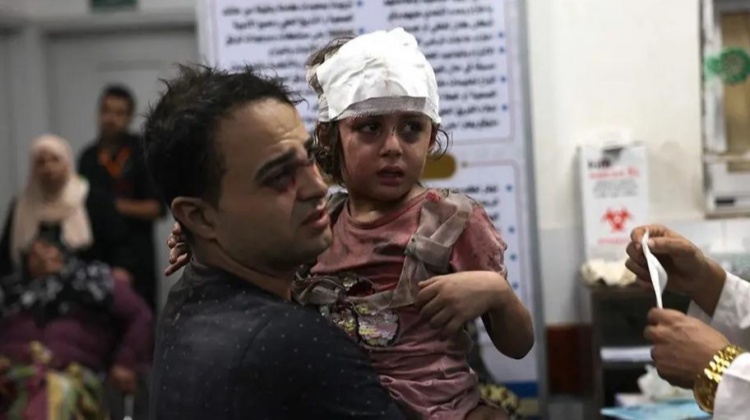
The war-torn landscapes of Palestine have witnessed the destruction of hospitals, clinics, and pharmacies. Surgical equipment lies in ruins, and medical staff often operate under dangerous conditions, facing shortages of everything from basic bandages to life-saving drugs. The scarcity of essential medicines exacerbates the health crisis, with many patients unable to access treatments for chronic diseases such as diabetes, hypertension, and cardiovascular conditions. Without proper medication, these conditions can quickly escalate, leading to severe complications and premature deaths.
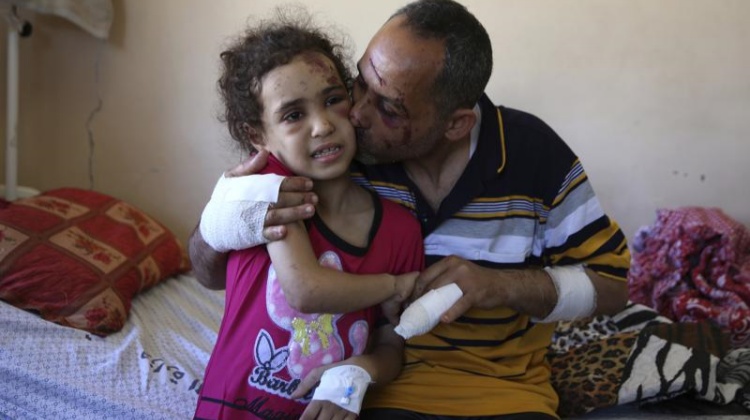
For those injured in the crossfire, timely access to medicines can mean the difference between life and death. Antibiotics prevent infections from taking hold in open wounds, painkillers offer relief from excruciating agony, and trauma medications stabilize patients in critical condition. However, the disruption of supply chains due to conflict means that these vital drugs are often in short supply. Delays in the delivery of medical aid and the imposition of blockades further compound the problem, leaving the wounded and sick at the mercy of their injuries and ailments.
The psychological toll of war is equally devastating, and mental health medications play a crucial role in helping Palestinians cope with the trauma they have endured. Anxiety, depression, and post-traumatic stress disorder (PTSD) are widespread among the population, particularly children who have witnessed the horrors of violence from a young age. Medications, combined with psychological support, can help these individuals manage their symptoms, regain a sense of normalcy, and begin the long process of healing.
Moreover, the lack of access to medicines disproportionately affects vulnerable groups, including women, children, and the elderly. Pregnant women may not receive the prenatal care and medications they need to ensure a healthy pregnancy and safe delivery. Children are at risk of contracting preventable diseases due to a lack of vaccines and proper medical treatment. The elderly, who often have multiple health conditions, struggle to obtain the medications necessary to manage their ailments and maintain their quality of life.
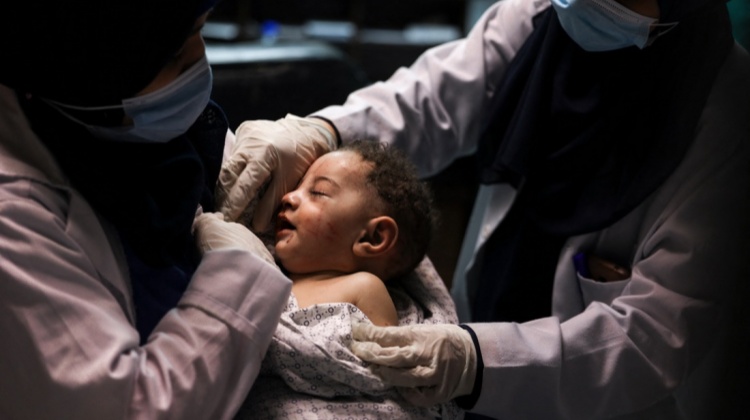
In conclusion, medicines are of paramount importance to the Palestinian people living in war. They are essential for treating injuries, managing chronic diseases, addressing mental health issues, and safeguarding the well-being of the most vulnerable. The international community must take immediate action to ensure the unobstructed delivery of medical aid and supplies to Palestine. By providing access to essential medicines, we can help alleviate the suffering of the Palestinian people and give them the chance to rebuild their lives in the aftermath of conflict. Only then can we hope to see a future where peace and health prevail in the region.
About Me
ForPalestinePeople
GAZA STRIP HEALTH DEPARTMENT
Death data from the Israeli Palestinian conflict
From October 7th, 2023 to March 16th, 2026
72247
Number Of Deaths
171878
Number Of Injured
14560
Number Of Child Deaths
3
the number of deaths in our team